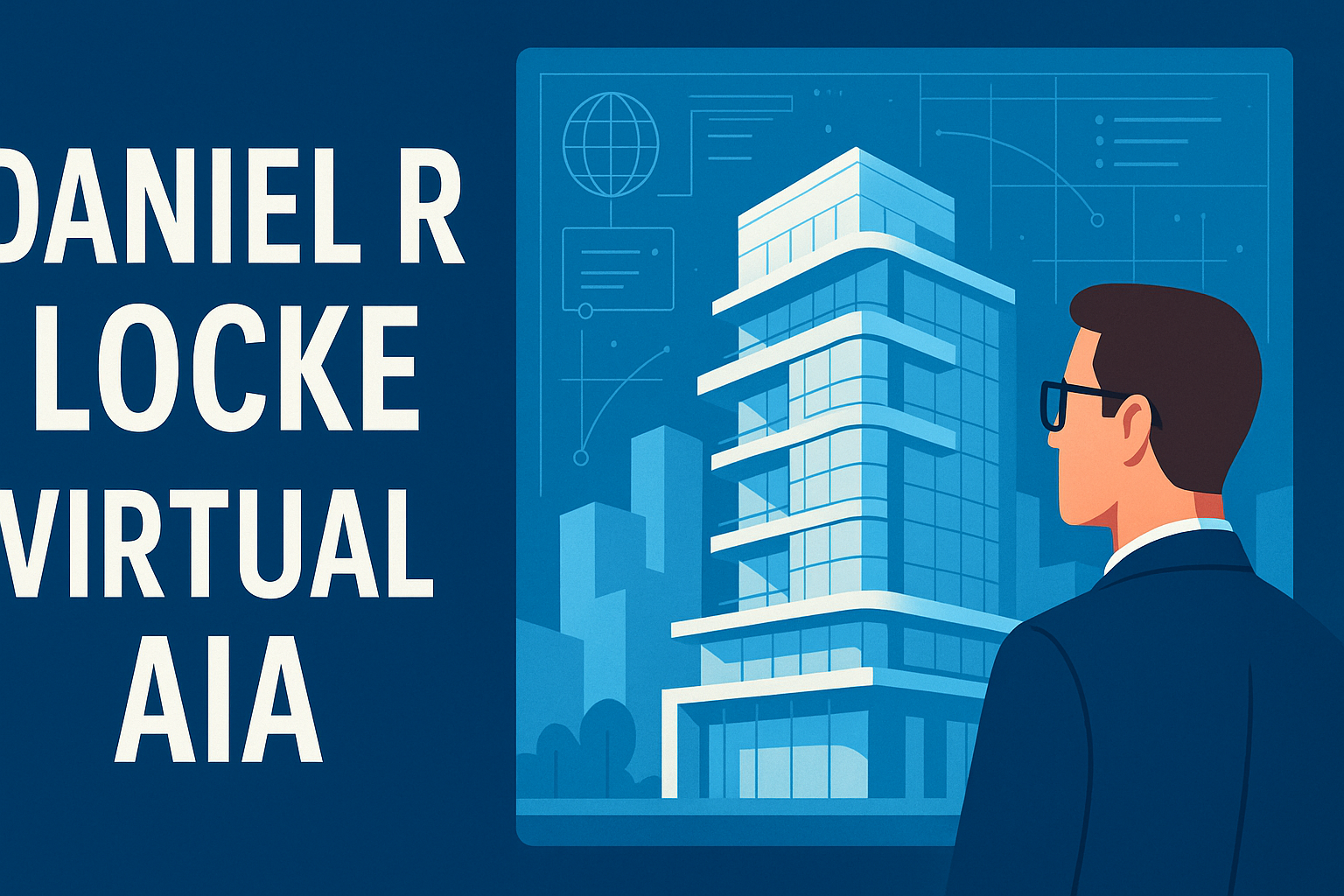
In today’s rapidly evolving digital landscape, architecture is undergoing a remarkable transformation. The rise of virtual design environments, immersive technologies, and AI-assisted workflows has ushered in a new era of architectural creativity. Among the emerging names shaping this evolution is daniel r locke virtual aia, a standout identity representing the blend of professionalism, innovation, and future-oriented design principles. This article explores the growing relevance of daniel r locke virtual aia, the significance of virtual architectural roles, and how this identity reflects a broader shift toward digitally driven design.
Understanding the Identity of daniel r locke virtual aia
The term “virtual AIA” is more than just a creative label—it reflects a modern architectural role rooted in digital expertise. The American Institute of Architects (AIA) traditionally represents licensed professionals in the field, but when the term becomes “virtual AIA,” it symbolizes a practitioner operating primarily in digital and immersive environments. In this context, daniel r locke virtual aia stands for a professional identity that combines architectural knowledge with virtual innovation.
Such a figure represents creativity liberated from the constraints of physical tools. Designs can be conceptualized, tested, and visualized entirely within virtual spaces, reaching clients and collaborators anywhere in the world.
The Digital Transformation Behind Virtual Architecture
To understand the importance of daniel r locke virtual aia, it is essential to explore the digital transformation sweeping through architecture.
Virtual Reality in Design
Virtual reality has become a central tool for architects looking to bring ideas to life before construction even begins. A virtual architect can walk inside a design, examine structure, and modify spatial elements with precision. This immersive design experience eliminates guesswork and enhances communication with clients.
Artificial Intelligence and Design Efficiency
AI is reshaping how architects think and work. Tools can generate automatic floor plans, optimize layouts for sustainability, and simulate energy efficiency. For someone like daniel r locke virtual aia, AI becomes a design partner, enabling faster iterations and more intelligent decision-making.
Cloud-Based Collaboration
Gone are the days when architectural teams were restricted to a single studio. Cloud platforms allow real-time collaboration across continents. Architectural files, models, and renderings are accessible instantly. Virtual architects thrive in these flexible environments, representing newfound freedom to innovate.
The Creative Foundations of daniel r locke virtual aia
Creativity remains the heart of architecture, whether in physical or virtual space. What sets daniel r locke virtual aia apart is the ability to merge imaginative conceptualization with digital precision. Virtual environments allow architects to experiment with radical forms and futuristic structures without material limitations or cost barriers. This blend results in designs that are bold, experimental, and visually compelling.
Human-Centric Philosophy
Even in virtual practice, people remain at the center of the design process. Virtual architects must consider user experience, flow, comfort, and accessibility—components that daniel r locke virtual aia consistently emphasizes.
Environmental Responsibility
One of the hallmarks of modern architecture is sustainability. Virtual tools allow designers to analyze environmental impact, test energy flows, and adjust materials before any real-world resources are used. This reduces waste and supports eco-friendly architecture.
Versatility of Application
The virtual architect can design everything from residential buildings to large digital worlds for gaming, virtual tourism, or metaverse environments. This versatility reflects the exciting potential within the identity of daniel r locke virtual aia.
Why Virtual Architecture Matters Now More Than Ever
The world is experiencing major technological shifts, making virtual architecture increasingly essential.
Faster Decision Making
Virtual walkthroughs help clients visualize exactly what they will get, reducing misunderstandings and speeding approval processes.
Reduced Costs
High-quality virtual models reduce the need for costly physical prototypes. Changes can be made digitally at minimal cost.
Expanded Creativity
Virtual architects like daniel r locke virtual aia are free to explore conceptual design without budget or material constraints, encouraging more artistic and innovative architecture.
Global Accessibility
A virtual architect can collaborate with international clients, developers, and engineers. Geography no longer limits talent or opportunity.
Where daniel r locke virtual aia Fits in the Future of Architecture
The future of architecture is undeniably digital. As industries adopt virtual solutions, professionals like daniel r locke virtual aia will continue to rise in relevance.
Metaverse Development
Virtual spaces are becoming the next frontier for social interaction, business operations, and entertainment. Architects will play a huge role in shaping digital environments, and virtual professionals are uniquely positioned for this responsibility.
Digital Twin Technology
Cities and buildings now have digital twins—virtual versions used to monitor performance, predict failures, and support renovations. The expertise of virtual architects will be invaluable for managing these systems.
AI-Powered Architectural Vision
As AI tools evolve, architects will shift from manual creators to strategic designers who guide AI-generated models. This will amplify creativity and redefine workflows for people like daniel r locke virtual aia.
Virtual Prototyping
Before constructing a real building, designers will test it virtually to assess lighting, durability, ergonomics, and sustainability. This approach will soon become standard practice.
Challenges Facing Virtual Architects
As beneficial as virtual architecture is, it presents its own challenges.
Maintaining Technical Accuracy
Even virtual designs must meet engineering standards. Virtual architects must balance creativity with structural logic.
Data Security
With cloud-based systems, protecting architectural data is critical. Virtual architects must ensure secure workflows.
Rapidly Changing Technology
The field evolves quickly. Virtual architects must continually learn new tools, platforms, and AI systems.
Intellectual Property Concerns
Digital designs can be easily shared or copied. Protecting creative work is essential.
These challenges highlight the need for skilled virtual architects who can navigate both artistic and technical landscapes.
The Educational Influence of daniel r locke virtual aia
Architecture schools are adapting their curriculum to prepare the next generation of virtual designers. The influence of professionals like daniel r locke virtual aia encourages institutions to adopt:
-
VR design studios
-
Collaborative online workspaces
-
AI-driven design modules
-
Remote project review systems
Students trained in these methods will graduate fully prepared for a digital architectural world.
Final Thoughts
The emergence of virtual architectural identities like daniel r locke virtual aia symbolizes the future of architectural practice—innovative, borderless, and technologically empowered. By combining traditional design principles with advanced digital tools, this identity represents a powerful new model for creativity and architectural advancement.
As virtual reality, AI, and cloud collaboration continue reshaping the industry, daniel r locke virtual aia stands at the forefront of architectural evolution. The influence of such professionals will only continue to grow as architecture transitions into a digitally immersive era.