Bellevue School District HVAC Delay: A Comprehensive Analysis for Students, Parents, and the Community

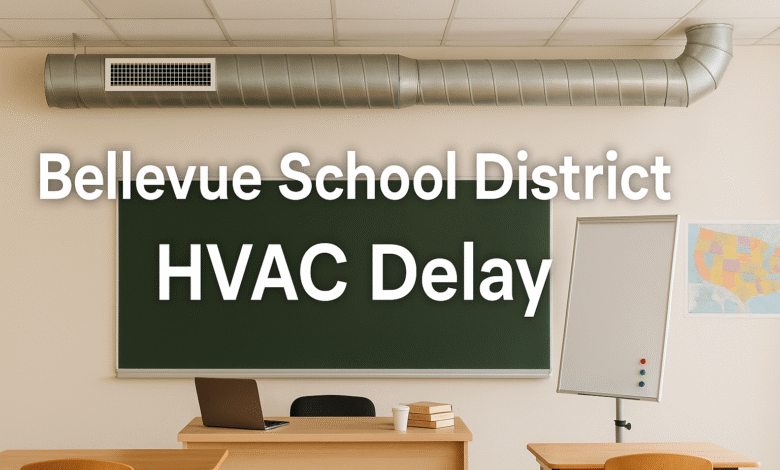
The Bellevue School District HVAC Delay has become a significant topic of concern across the community, drawing attention from parents, students, educators, and district leaders alike. As schools continue to balance modern learning needs with aging infrastructure, HVAC (heating, ventilation, and air conditioning) systems are proving to be one of the most critical components for maintaining a safe and comfortable educational environment. When these upgrades face delays, the impact is felt immediately and deeply.
This long-form article explores the core reasons behind the Bellevue School District HVAC Delay, the actual consequences it has on the learning environment, and what solutions may be implemented to resolve the issue. With more than 1000 words of analysis, this article delivers a complete, detailed, and unique overview designed to help the community fully understand the situation.
What Is the Bellevue School District HVAC Delay?
The Bellevue School District HVAC Delay refers to the postponed installation, replacement, or upgrade of HVAC systems across multiple district schools. HVAC systems play a crucial role in regulating temperature, improving air quality, and ensuring comfort during school hours. Unfortunately, due to a combination of logistical, financial, and labor-related issues, these HVAC improvements have not been completed on schedule.
The delay means that many classrooms still rely on older systems that may lack efficiency, struggle to provide consistent temperatures, or offer inadequate ventilation — all of which are essential for student well-being.
Why HVAC Improvements Are Critical in Schools
Modern education relies heavily on maintaining a controlled indoor environment. Outdated HVAC systems can create obstacles that impact learning on multiple levels. The importance of timely HVAC upgrades includes the following:
Comfort and Concentration
Students are more likely to concentrate, participate, and succeed academically in temperature-controlled surroundings. HVAC delays can lead to classrooms that are too cold during winter, too warm during summer, or simply uncomfortable due to humidity or stale air.
Air Quality and Health
A high-quality HVAC system helps filter pollen, dust, and pollutants. Inadequate ventilation can increase respiratory issues, worsen allergies, and contribute to airborne illness transmissions.
Energy Efficiency and Cost Savings
Modern HVAC units are designed to operate efficiently and consume less power. Delaying upgrades means continuing to use outdated systems that waste energy and inflate utility costs for the district.
Safety Standards
Modern systems come with improved safety features and better compliance with building standards. Delays may mean that some buildings are not operating at ideal safety or performance levels.
Given these essential roles, an HVAC delay becomes more than just a minor inconvenience. It represents a significant obstacle to daily school operations.
Factors Contributing to the HVAC Delay
Understanding the causes of the Bellevue School District HVAC Delay helps clarify why the issue has become so challenging. While situations vary across locations, several consistent factors have influenced the delays.
Supply Chain Interruptions
The global supply chain continues to face shortages in raw materials, mechanical components, electrical systems, and other essential HVAC parts. Many manufacturers now have longer lead times for producing full HVAC units.
Labor Shortages
The construction and HVAC industries are facing declining workforce availability. Finding qualified technicians, engineers, and contractors has become difficult, leading to project delays or limited team availability.
Budget Limitations
School districts must operate within tight budgets. Inflation in materials and increased labor costs have made it harder for the district to commit to the original timelines. Some projects require revised bids or additional funding.
Engineering and Permitting Issues
HVAC replacements in school environments involve complex planning, environmental assessments, and safety reviews. Any single delay in the design or approval process can cause weeks — sometimes months — of disruption.
Seasonal Constraints
Many HVAC installations must occur during summer breaks or short holiday periods. Missing one seasonal window can delay a project until the next available timeframe.
With all these challenges combined, the Bellevue School District HVAC Delay is understandable, though still frustrating for families and educators.
Impact of the HVAC Delay on Learning Environments
The HVAC delay affects many aspects of school operations. Some impacts are minor inconveniences, while others can seriously disrupt student learning.
Inconsistent Classroom Temperatures
Teachers often report that classrooms shift quickly between being too warm and too cold. In winter, older systems can take a long time to heat up; in warmer months, rooms struggle to stay cool.
Declines in Student Performance
Numerous studies show that students perform better academically at optimal temperatures. Overly warm or cold classrooms can reduce focus, increase fatigue, and result in lower test scores.
Potential Health Concerns
Poor ventilation may worsen flu seasons or contribute to symptoms like headaches, dizziness, or respiratory irritation. Students with asthma or allergies are especially at risk.
Increased Stress on Teachers
Teachers working in uncomfortable classrooms often deal with distractions, classroom management challenges, or the need to rearrange classroom layouts to accommodate portable fans or heaters.
Event and Program Disruptions
Some school activities may need to be relocated or shortened because the HVAC system cannot support large gatherings or extended occupancy.
All these factors highlight that the Bellevue School District HVAC Delay is not just a facilities issue — it is an education issue.
How the District Is Responding to the Delay
In response to the HVAC delay, the district has begun taking immediate and long-term steps to minimize its impact.
Enhanced Maintenance on Existing Units
Maintenance crews are working overtime to keep older systems functioning reliably. This includes repairing motors, cleaning filters, sealing ducts, and optimizing airflow.
Portable Temperature Solutions
The district has deployed temporary equipment like portable air conditioners, fans, and space heaters to balance indoor climates when possible.
Prioritizing Critical Buildings
Schools with the most urgent needs are moved to the top of the district’s repair list. This ensures that the most affected students experience relief first.
Communication with Families
The district continues to send updates, progress reports, and repair schedules to keep parents informed.
Securing Additional Vendor Partnerships
To speed up repairs, the district is contracting multiple HVAC companies rather than relying on a single provider.
Long-Term Plans for Bellevue School District Facilities
While the immediate focus is on stabilizing current systems, long-term planning remains essential.
Investing in Energy-Efficient Systems
New HVAC designs reduce carbon emissions, lower utility bills, and support eco-friendly learning environments.
Expanding Infrastructure Budgets
Additional funding from state bonds, grants, or community initiatives may be needed to accelerate the upgrade timeline.
Designing Resilient Air Systems
To prevent future delays, the district aims to adopt systems with modular components that are easier to repair or replace.
Monitoring and Automation
Modern HVAC setups include smart sensors, automated controls, and data reporting, allowing schools to optimize indoor conditions more effectively.
Community Support and Involvement
The Bellevue community plays a vital role in overcoming the HVAC delay. Parents can attend board meetings, ask questions, advocate for timely repairs, and support district funding efforts.
The district may also rely on voters to approve bond measures that directly support school infrastructure. Community participation ensures that students receive the learning environment they deserve.
Conclusion
The Bellevue School District HVAC Delay is a complex issue shaped by supply chain challenges, budget constraints, and labor shortages. While the situation has caused understandable concern, the district and community are working together to find effective, long-term solutions. With continued effort, upgraded HVAC systems will ultimately provide healthier, safer, and more comfortable learning environments for all students.